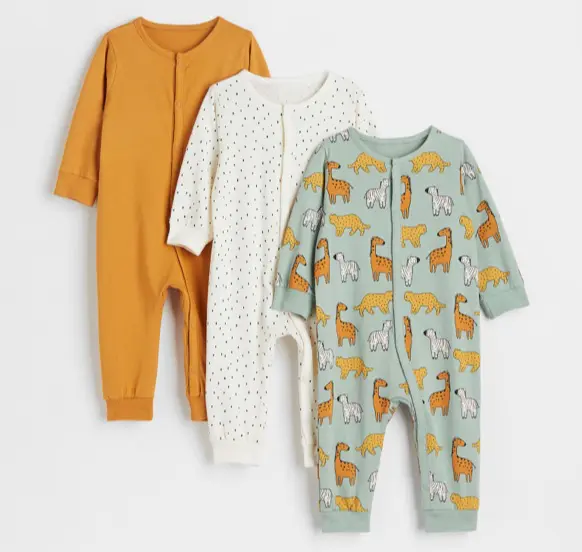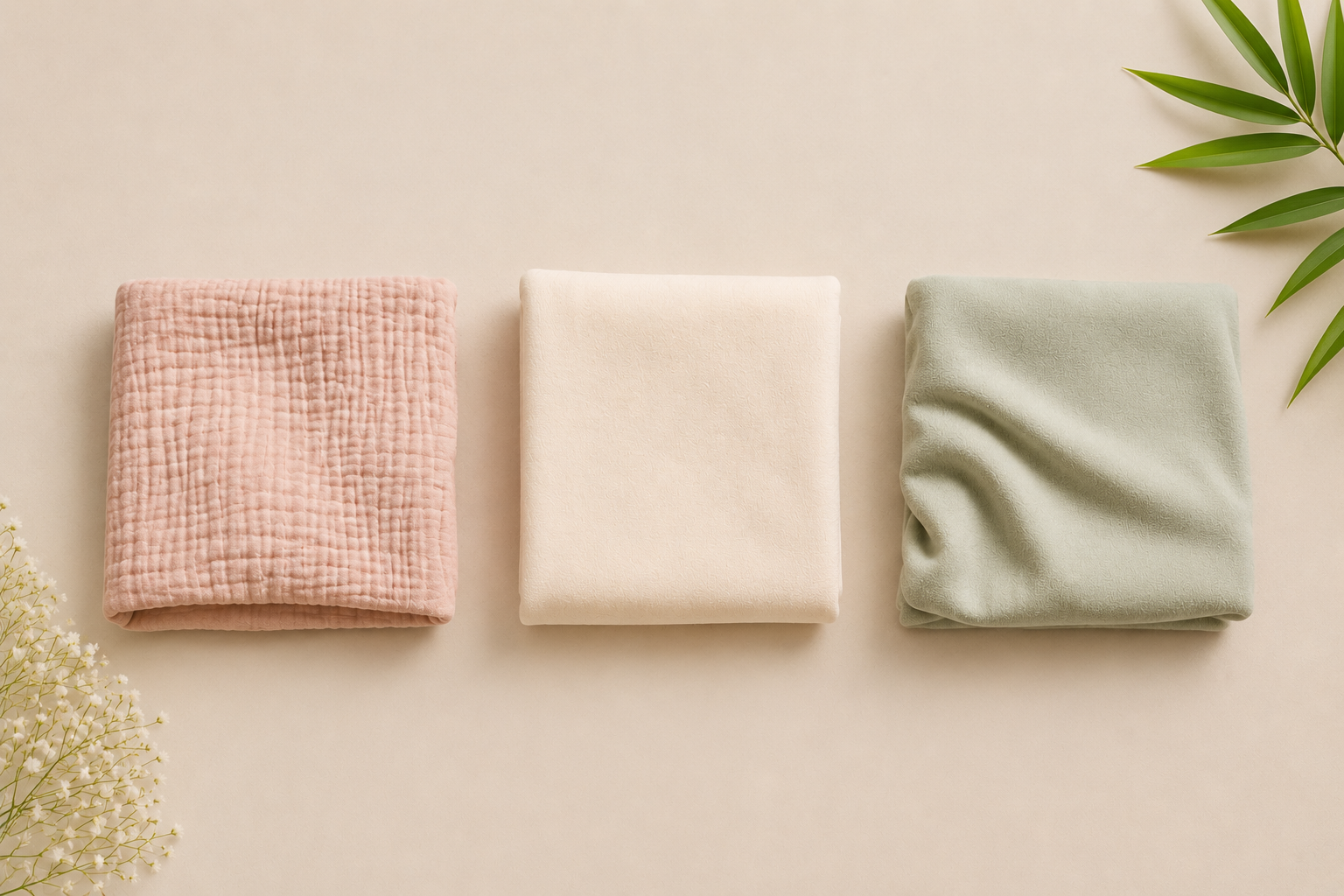

When shopping for your child's clothes, you'll often come across labels like 100% cotton, muslin, or bamboo fabric. Each promises softness, comfort, and gentle care for delicate skin. But which one is actually the best?
The truth is, there isn't a single fabric that's perfect for every child, every season, or every situation. The best choice depends on your child's age, climate, activity level, and how the garment is made.
Understanding the differences between these fabrics can help you make smarter buying decisions instead of simply following marketing claims.
In this guide, we'll compare muslin, cotton, and bamboo honestly, so you know exactly when each fabric shines.
Understanding the Three Fabrics
Before comparing them, it's important to know what each fabric actually is.
Muslin
Muslin isn't a different fiber. It's a type of fabric weave that's usually made from cotton.
Its loose weave creates tiny air pockets that allow excellent airflow, making it lightweight and breathable.
Muslin is commonly used for:
- Baby clothing
- Swaddles
- Blankets
- Summer outfits
- Lightweight dresses and shirts
The more you wash quality muslin, the softer it becomes.
Cotton
Cotton is one of the world's most widely used natural fibers.
It comes in many forms, from everyday cotton to premium long-staple varieties. The quality depends on the cotton itself, the yarn, the weave, and how the fabric is finished.
Cotton is known for:
- Natural softness
- Durability
- Easy maintenance
- Good moisture absorption
- Everyday comfort
It's suitable for almost every age group and every season.
Bamboo
Bamboo fabric is made by processing bamboo into fibers that can be woven into textiles.
Many bamboo garments are praised for being:
- Extremely soft
- Smooth
- Stretchy
- Lightweight
Most bamboo fabric isn't woven directly from bamboo fiber—it's processed into a rayon-like material using chemical treatments, and the process varies significantly between manufacturers. This is why two garments labeled 'bamboo' can feel and perform very differently, and why it's worth asking how a brand sources and processes theirs
Muslin vs. Cotton vs. Bamboo: A Quick Comparison
The comparison below reflects general characteristics of each fabric type—actual performance can vary depending on weave, weight, and how the garment is made.
| Feature | Muslin | Cotton | Bamboo |
| Softness | Very soft and gets softer over time | Soft and comfortable | Extremely soft and silky |
| Breathability | Excellent | Very good | Good |
| Lightweight | Excellent | Moderate | Good |
| Durability | Good | Excellent | Moderate |
| Moisture Absorption | Excellent | Excellent | Very Good |
| Best Climate | Hot weather | All seasons | Warm and moderate weather |
| Everyday Use | Great | Excellent | Good |
| Easy Care | Easy | Very Easy | Requires more care depending on fabric blend |
Which Fabric Is Best for Sensitive Skin?
Parents naturally worry about skin irritation, especially during the first few years.
The good news is that all three fabrics can feel comfortable on sensitive skin when they are made well.
The fabric itself is only part of the story.
Other factors matter just as much:
- Harsh chemical treatments
- Poor-quality dyes
- Rough stitching
- Thick seams
- Scratchy labels
A premium cotton garment with soft seams can often feel more comfortable than a poorly made bamboo outfit.
Likewise, a well-made muslin garment can be gentler than a low-quality cotton one.
Which Fabric Works Best in Hot Weather?
For hot climates like Dubai and much of the Middle East, breathability becomes one of the biggest priorities.
Muslin performs exceptionally well because:
- Air flows easily through the fabric.
- It dries relatively quickly.
- It feels light even during warm afternoons.
Cotton is also an excellent option for everyday wear, especially when it's made from lightweight cotton fabrics.
Bamboo can feel cool against the skin, but the overall comfort depends on the fabric weight and construction.
Which Fabric Lasts Longer?
Children grow quickly, but parents still expect clothes to survive frequent washing.
Cotton generally offers the best long-term durability.
Quality cotton garments often maintain their shape after many washes.
Muslin is durable when properly made, although its lighter weave requires slightly gentler care.
Bamboo garments can remain soft for a long time, but depending on the fabric blend, some may require extra care to maintain their appearance.
Comfort Is About More Than Fabric
Many parents focus entirely on the fabric name.
In reality, comfort depends on several factors working together.
Look beyond the label and pay attention to:
- Soft seams
- Comfortable neck openings
- Flexible stitching
- Lightweight construction
- Breathable design
- Proper sizing
Even the softest fabric won't feel comfortable if the garment is tight, poorly stitched, or covered in rough embellishments that rub against the skin.
Choosing the Right Fabric for Different Situations
Everyday Play
Cotton is an excellent everyday choice because it's durable, breathable, and easy to wash.
Summer Outings
Muslin's lightweight weave helps children stay comfortable during warm weather.
Relaxing at Home
Both muslin and soft cotton work beautifully for relaxed daily wear.
Sleepwear
Soft, breathable fabrics that allow airflow are generally preferred for comfortable sleep.
The Fabric Label Doesn't Tell the Whole Story
Many parents compare fabrics without considering garment quality.
A premium outfit isn't premium simply because it says "bamboo" or "muslin."
Quality also comes from:
- Fabric weight
- Stitching quality
- Construction
- Pattern design
- Attention to detail
- Consistency in how a batch is finished
- Finishing processes
That's why two garments made from the same fabric can feel completely different.
How Samino Approaches Everyday Comfort
At Samino, we believe parents shouldn't have to choose between comfort, quality, and beautiful design.
Our collections focus on premium muslin and cotton fabrics, thoughtfully selected for everyday comfort in warm climates. Every outfit is produced in small batches, allowing greater attention to craftsmanship, fit, and finishing.
From soft seams to breathable construction, every detail is designed to help children move comfortably throughout the day while giving parents confidence in what they're dressing them in.
Final Thoughts
Muslin, cotton, and bamboo each have their strengths.
- Choose muslin if you want lightweight, breathable comfort for warm days.
- Choose cotton if you're looking for durability, versatility, and everyday wear.
- Choose bamboo if you prefer an exceptionally soft feel and understand the care it may require.
Instead of asking "Which fabric is the best?", ask a better question:
"Which fabric is best for my child's needs today?"
When you look beyond the marketing and focus on comfort, construction, and quality, you'll make choices that your child will appreciate every time they get dressed.